

Extraction (removal) of wisdom teeth
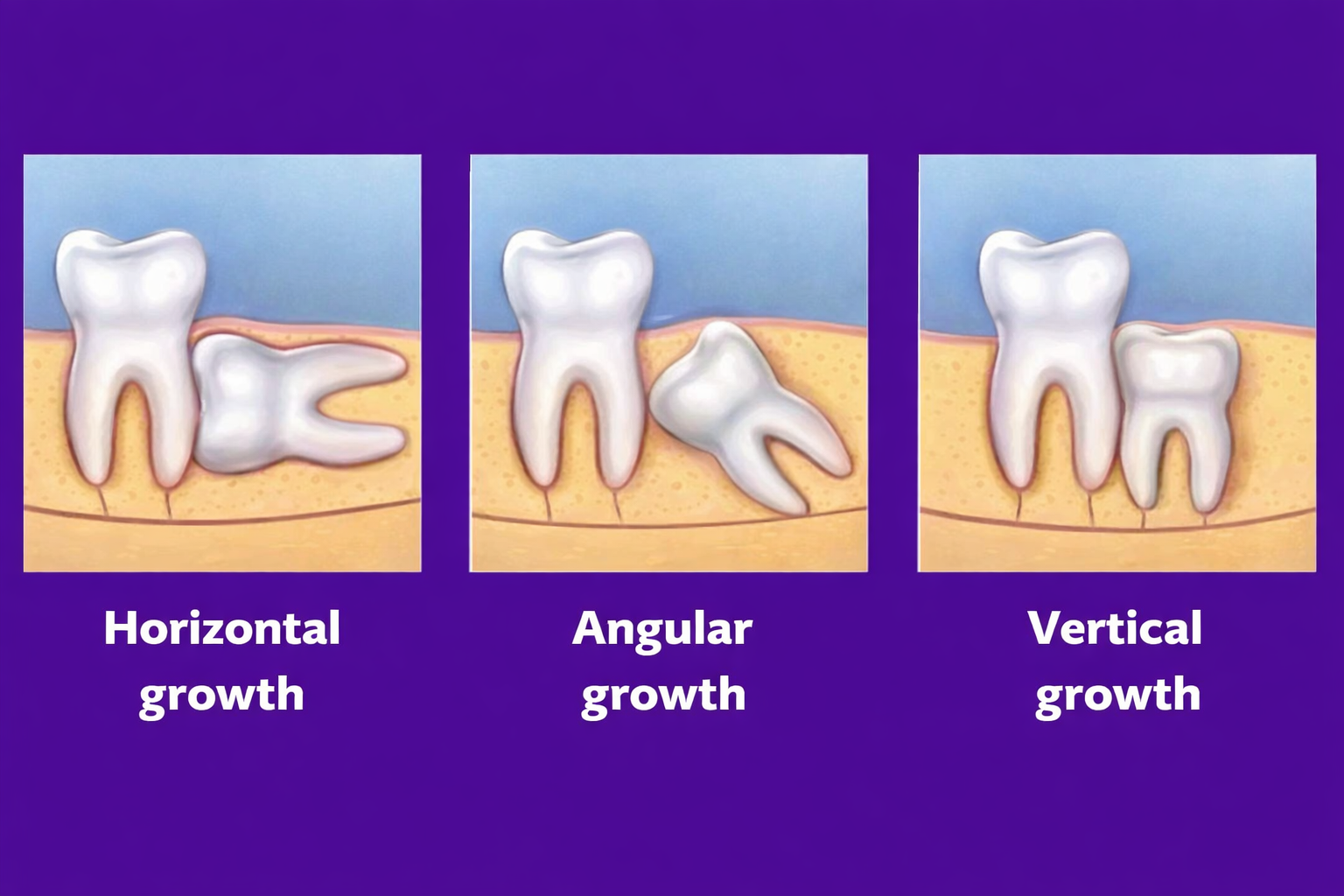
Wisdom teeth are extracted by a dentist or surgeon (oral surgeon). If all wisdom teeth need to be removed at once or you are at high risk of complications, surgery in a hospital may be necessary.
If you have any infections, it is best to treat them first.
The wise men must be removed because:
- They cannot break through the gums and grow
- They can cause infections by growing over the gums and “overlapping” them, causing food and microbes to accumulate in these areas.
- Damage other teeth and bones
- They grow crooked toward the cheeks, tongue, or adjacent tooth.
First, a local anesthetic is administered (if all or several teeth are being extracted, general anesthesia may be used). The mucosa and/or bone are cut and the extraction is performed. In some cases, the tooth may be removed in small pieces. The site after extraction is sutured (the sutures may be dissolvable or removed after a few days), and a gauze pad is placed to stop the bleeding.
To receive guidance information or competent consultation from our specialists, do not hesitate to contact us – 0877 17 80 18
After the operation, you will probably need a few days to recover. Here are a few tips:
- Use painkillers recommended by your dentist.
- If you continue to bleed 24 hours after the operation, consult your dentist.
- While under the effect of the anesthetic, be careful not to bite your tongue or the inside of your cheeks.
- Put ice (or a wet cloth) on the inside of your cheeks for the first 24 hours after the procedure.
- Excessive physical activity may increase bleeding.
- At first, after extraction, avoid solid foods and focus on soups and softer dishes.
- From the second day onwards, rinse with lukewarm salt water several times a day to reduce swelling and relieve pain.
- Do not smoke for at least 24 hours after the operation. The sucking reflex can tear the clot (thus reducing blood clotting) and cause infection.
- Do not touch the wound with your fingers and clean your teeth and tongue carefully, avoiding the wound area.

If wisdom teeth are extracted before the age of 20 and the roots of the wisdom tooth are not fully developed and the bone is not as dense, you will recover more easily and quickly.